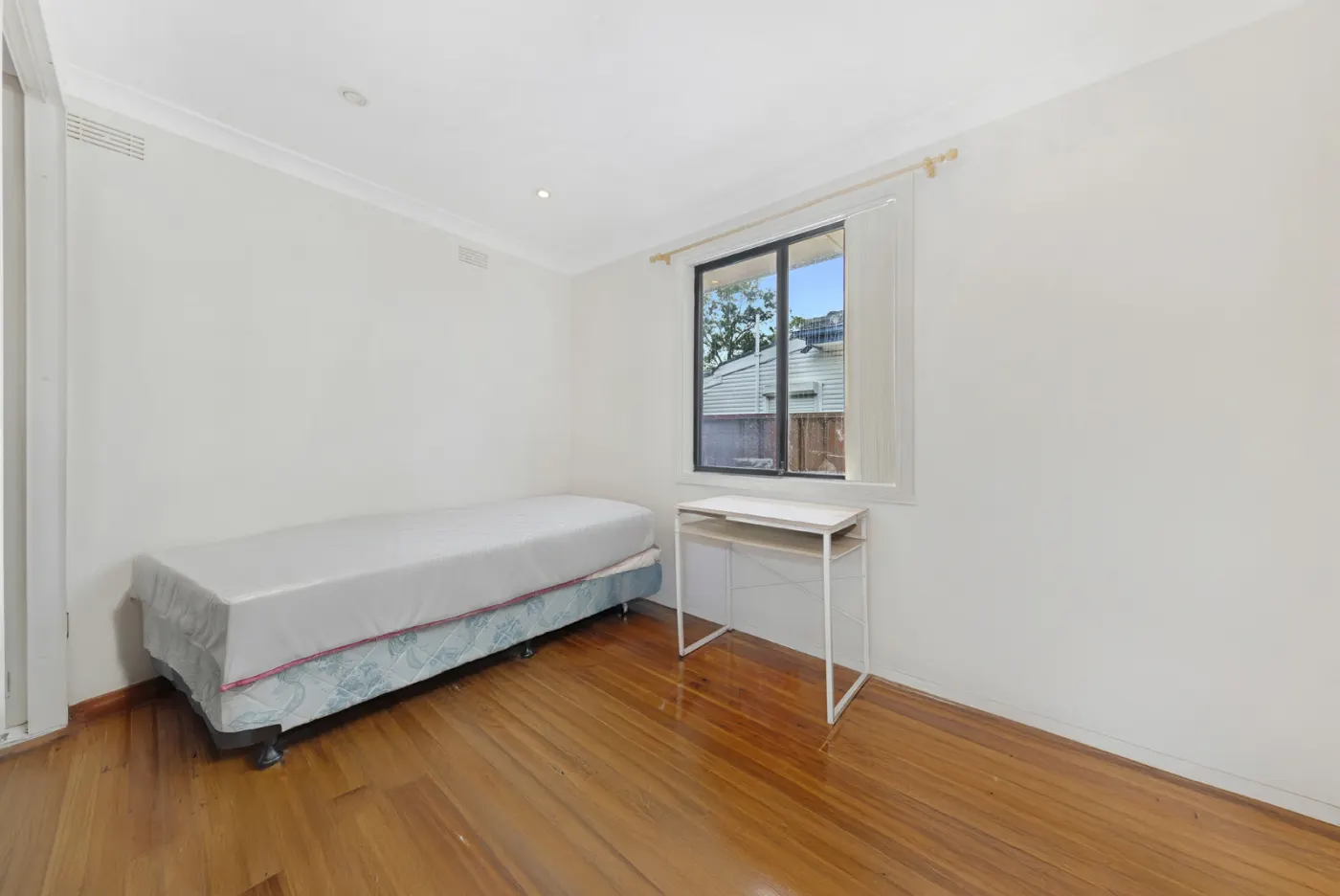
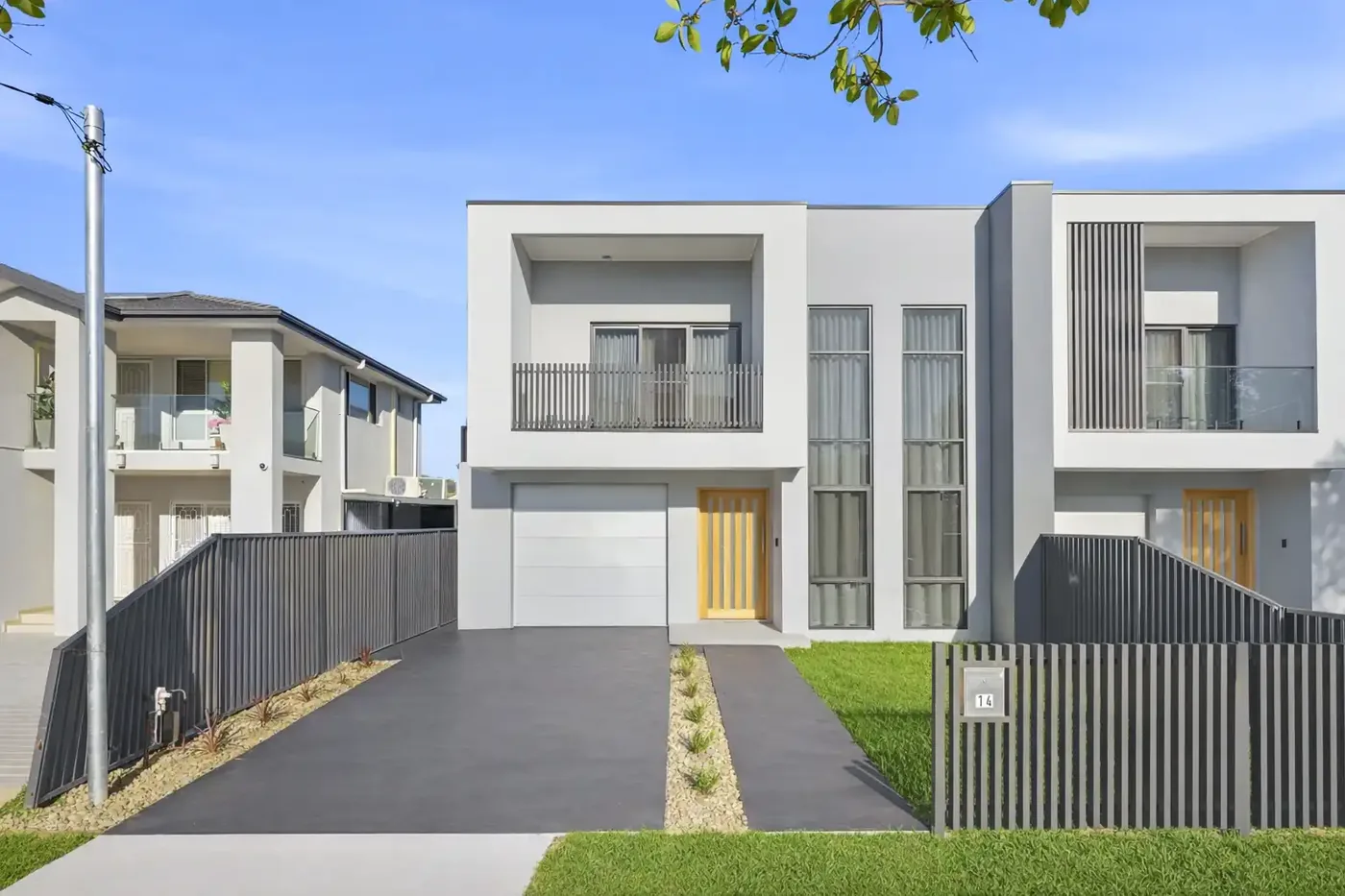
Virtual staging adding digitally rendered furniture to real estate photos of empty properties has become a mainstream tool in the Sydney market. Done well, it's an effective and cost-efficient way to help buyers visualise how a space could be lived in. Done poorly, it can look unconvincing, undermine buyer trust, and ultimately hurt a listing rather than help it.
Here's an honest look at when virtual staging works and when it doesn't.
Why Virtual Staging Has Become So Popular
Many properties come to market vacant, particularly investment properties, newly completed developments, and homes that have already been vacated by their owners. While empty rooms can appear clean and spacious, they often make it difficult for buyers to understand how a space functions.
Virtual staging solves this problem by digitally adding furniture, décor, rugs, artwork, and styling elements to professional real estate photographs. Compared with physical staging, it is significantly more affordable and can be completed quickly, making it an attractive option for agents, vendors, property managers, and developers.
However, the success of virtual staging depends entirely on the quality of the execution.
When Virtual Staging Works Well
The best results from virtual staging share a few common characteristics:
- The base photography is high quality. Virtual staging cannot rescue a poorly lit, badly composed photograph. The rendered furniture is only as convincing as the image it sits in. Professional photography is a prerequisite.
- The furniture style suits the property. A Hamptons-style bedroom with shiplap-style features should be digitally furnished with relaxed coastal pieces, not a contemporary minimalist fit-out. When the style matches the architecture, the result feels natural.
- Scale and perspective are correct. Furniture that appears too small, too large, or placed at an impossible angle looks immediately fake. Good virtual staging providers calibrate furniture to the actual dimensions of the room.
- Lighting is consistent. Rendered furniture should cast shadows and reflect light in the same way the room's actual light sources would produce. When the shadow direction of the furniture disagrees with the actual light in the photo, it's immediately noticeable.
- The image is disclosed. In Australia, images that have been virtually staged must be disclosed typically with a label on the image itself e.g. 'Digitally furnished image'. When this is handled professionally and transparently, buyers accept it readily and engage with the images at face value.
When Virtual Staging Looks Fake
There are several common failure points that make virtual staging unconvincing:
- Floating furniture: objects that appear to hover slightly above the floor, failing to connect with the surface they should be resting on.
- Incorrect scale: a sofa that's comically large for a room, or a dining table that's too small for the stated number of seats.
- Mismatched shadows: furniture rendered with shadows pointing in a different direction from the actual light in the room.
- Overly perfect rendering: some virtual staging has an artificial perfection too smooth, too symmetrical, too obviously computer-generated. It looks more like an architectural render than a photograph.
- Furniture that clips into walls or other objects: a basic rendering error that signals low-quality production.
- Dated or generic furniture libraries: providers who work from limited, outdated furniture catalogues produce images that look like they're from a 2010 IKEA catalogue. Quality providers have extensive, contemporary furniture libraries.
The Quality Spectrum
Virtual staging quality varies enormously across providers, and price is a reasonable though not perfect guide. Budget providers offering very low per-image rates typically use automated or semi-automated tools with limited customisation. Higher-quality providers use skilled designers who work image by image, selecting and placing furniture deliberately.
For a premium Sydney listing, low-quality virtual staging can be more damaging than no staging at all. It signals a lack of care and can make buyers question what else about the listing isn't quite what it seems.
The Disclosure Question
It's worth reiterating: in Australia, virtually staged images need to be clearly disclosed. The label should be visible on the image and noted in the listing description. This is not just an ethical requirement, it protects agents and vendors from consumer law issues. Reputable providers include disclosure labels as standard.
A Practical Recommendation
For Sydney properties where virtual staging is appropriate, invest in mid-to-high quality production. Get the base photography right first. Provide a clear style brief. Review draft images before final delivery and push back on anything that looks unconvincing. And always disclose.
Used with care, virtual staging is a genuinely useful tool. Used carelessly, it creates problems that could easily have been avoided.
At OpenFrame Studio, we offer Digital Furnishing services that integrate seamlessly with our real estate photography packages. Whether you’re marketing a vacant apartment, family home, investment property, or development project, our team can help create natural, realistic images that showcase the property’s full potential.