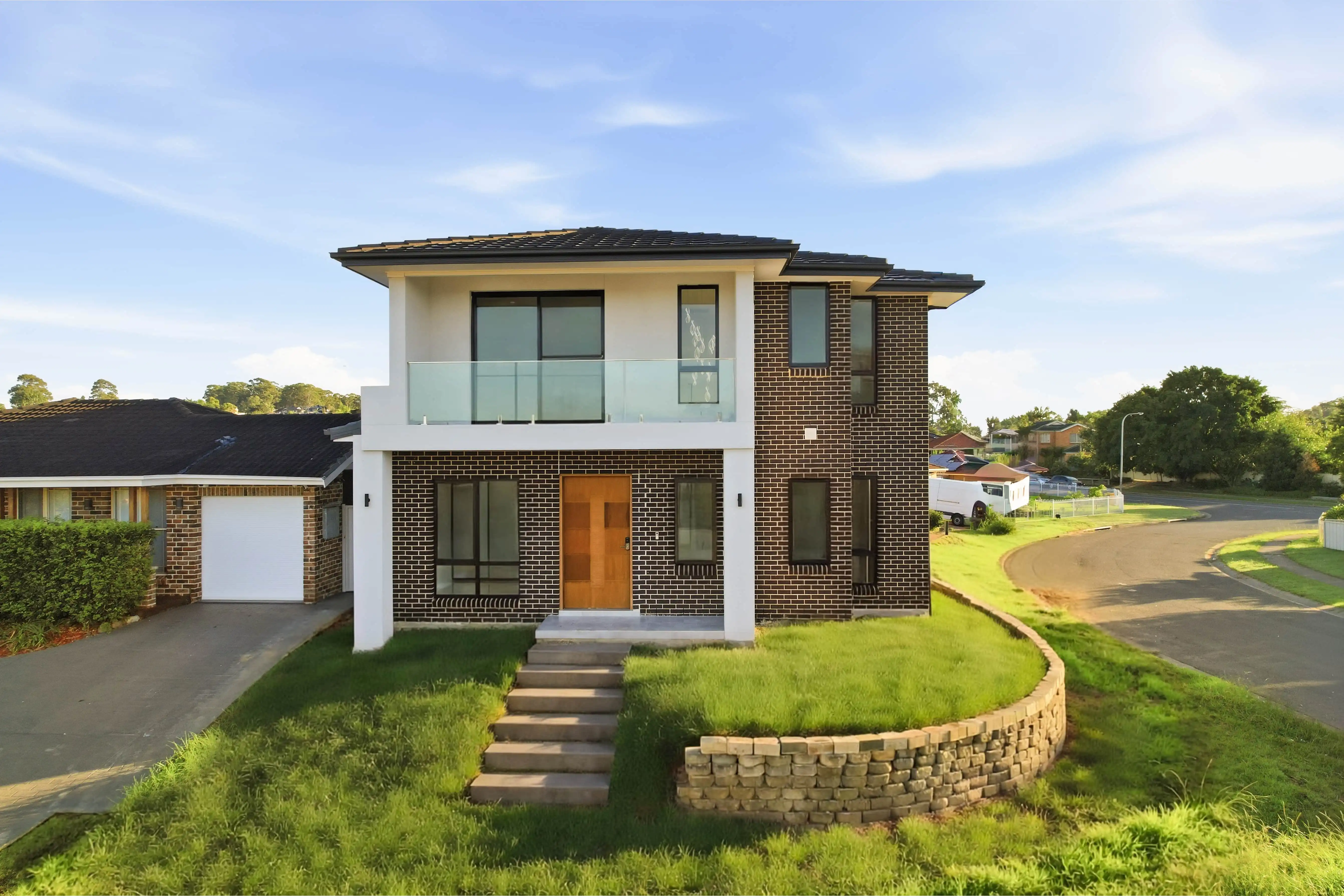
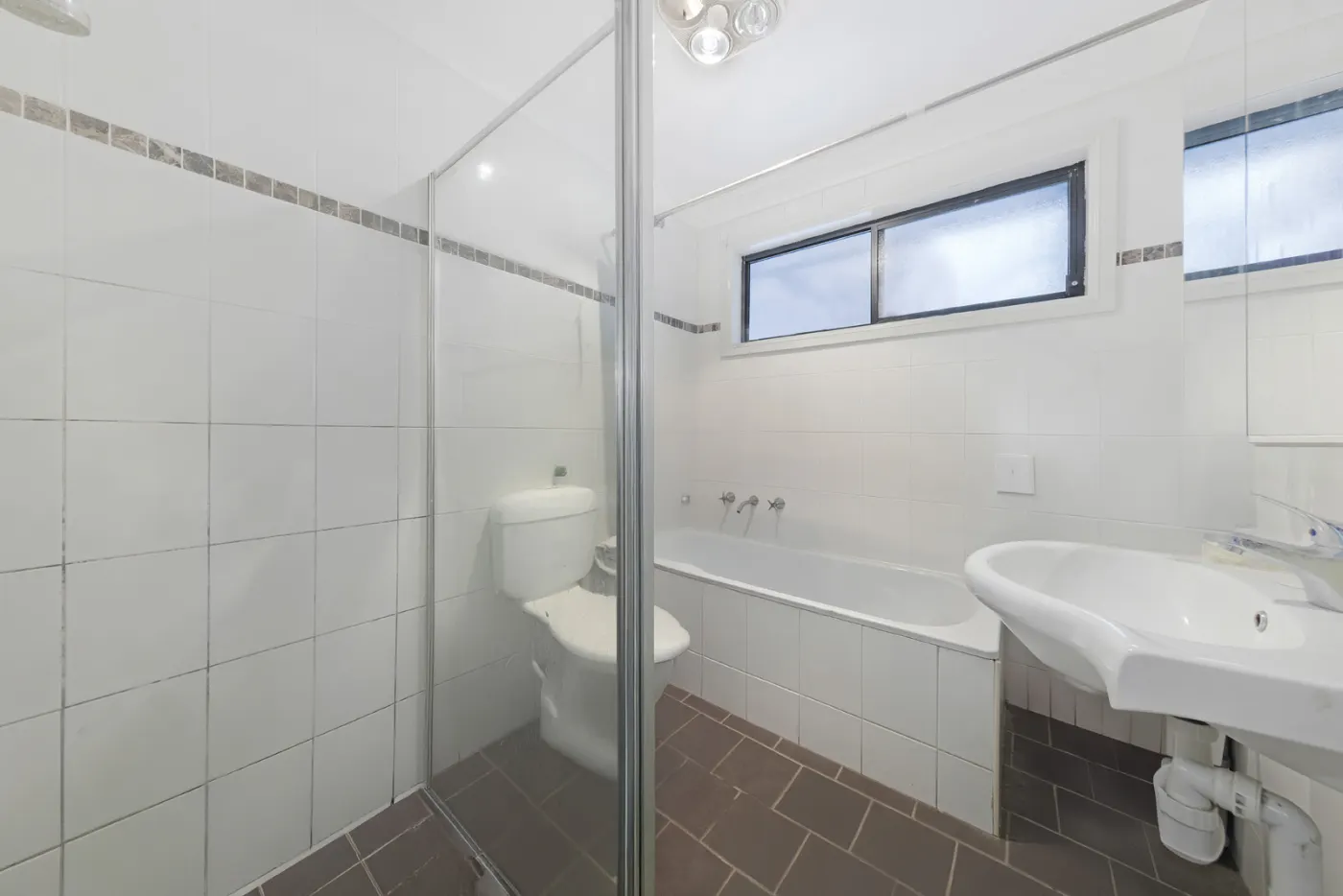
Post-production editing is a powerful tool in real estate photography but it has limits. Understanding what can realistically be fixed in editing, and what needs to be sorted out before the photographer arrives, will save you time, money, and disappointment.
This guide is aimed at agents, vendors, and property managers who want to get the most out of their real estate photography budget.
What Can Be Removed or Fixed in Editing?
Skilled real estate photo editors can handle quite a lot:
- Small objects on benchtops or surfaces
- Bins and wheelie bins visible in exterior shots.
- Minor scuff marks or small blemishes on walls.
- Overly bright skies or washed-out windows editors can blend in sky replacements or window views.
- Power lines in exterior shots
- Garden hoses, sprinkler heads, or other small outdoor clutter.
- Reflections of the photographer in mirrors or glass surfaces.
- Pool water that photographs green or murky.
These are the kinds of small, incidental things that a good editor can address as part of standard processing.
What Requires Specific Digital Removal Requests?
Some removal tasks go beyond standard editing and should be discussed with your photographer upfront:
- Large pieces of furniture in otherwise empty rooms.
- Removing an entire car from a driveway or carport.
- Removing extensive clutter from a heavily packed room.
- Repainting walls digitally (colour changes).
- Removing permanent fixtures like ceiling fans or dated light fittings.
These tasks are possible but take additional time and come at an extra cost. Discuss them before the shoot — not after so the photographer can capture the right base images to make editing cleaner.
What Cannot Reasonably Be Fixed in Editing?
This is where it gets important. Some things simply can't be fixed after the fact, or the result looks unnatural enough that it defeats the purpose:
- Structural issues: cracks in walls or ceilings, water stains, visible damage. Editing these out is deceptive and potentially misleading under Australian Consumer Law.
- Excessive clutter or hoarding removing dozens of items from a heavily packed room produces unnatural-looking results and often takes longer than decluttering the physical space.
- Poor natural light: if a room has no natural light and no lighting installed, editing can't manufacture depth and warmth. Lamp placement before the shoot is the fix.
- Dirty or stained carpets and flooring visible in wide-angle shots and difficult to remove without the floor looking digitally painted.
- Heavily overgrown gardens aerial shots and wide exteriors in particular look unconvincing if vegetation is edited out in large patches.
The Golden Rule: Prepare First, Edit Second
Editing is a support tool, not a solution. The best real estate photographers in Sydney use editing to refine and polish already well-presented properties not to rescue shoots that weren't properly prepared.
A simple rule of thumb: if you can fix it physically before the shoot, do it. If it's something small and unavoidable a reflection, a stubborn wheelie bin that's council-required to stay on the kerb, a tiny item left on a bench, that's what editing is for.
What About Ethical Limits?
There's also an important ethical dimension to digital editing in real estate. Under Australian Consumer Law, misleading or deceptive conduct in property marketing — including digitally altered images that misrepresent a property's condition — can have serious consequences for agents and vendors.
Removing a rubbish bin from a driveway: fine. Removing a crack in the ceiling or digitally adding a harbour view that doesn't exist: not fine. Professional photographers understand these limits and will advise you accordingly.
At OpenFrame Studio, we offer standard digital declutter as part of our editing process, as well as additional object removal on request. Talk to us about what you need before your shoot so we can plan accordingly.